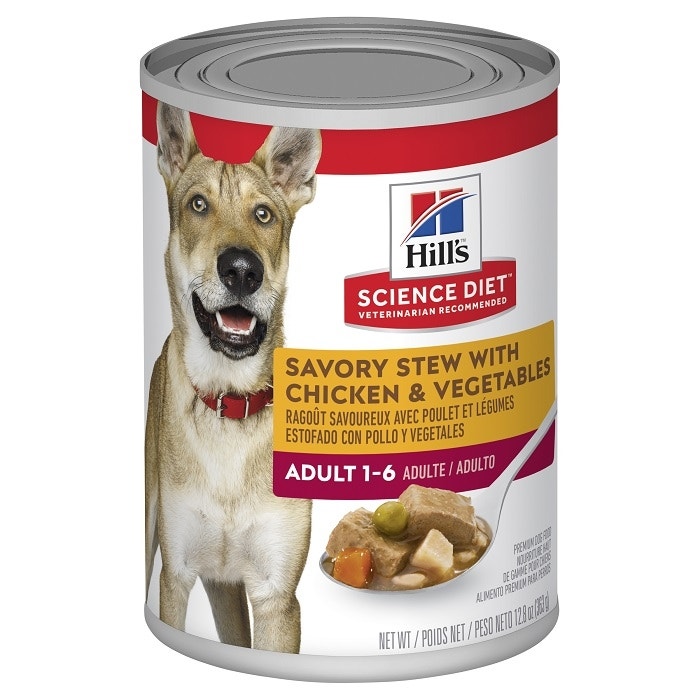
Pawdit presents manufacturer-declared facts and attributes every note to its published source. We do not rate, grade or rank products. This assessment is generated by an algorithmic methodology based on published sources. It is not a guarantee of product quality or safety. Always consult your veterinarian.
29 ingredients (broken into components where relevant) · tap any for its research notes
What do these mean? ▾
Beneficial. Linked to benefits in published research. Tiers show evidence strength.
Restricted or banned. Restricted or banned by a regulator in at least one country.
Under research review. Being studied or re-evaluated by researchers or regulators.
Contextual. Not flagged, but there is a note worth reading.
Standard. Everyday components like vitamins and minerals.
Not yet classified. Not in our dictionary yet. Always still listed.
Counts include what's inside compound entries like vitamin premixes, so they can add up to more than the label's ingredient count.
1Water▾
● Standard ingredientWater used in processing; contributes to the declared moisture content.
2ChickenNamed single-species whole meat▾
● Beneficial (well-established)Whole meat from a named animal species. Both the species and the form are identified, which supports traceability and allergy checking. Published nutrition references associate named whole meats with high protein quality.Sources: AAFCO 2024 · NRC 2006 · Amino acid bioavailability studies
3Pork LiverNamed organ meats▾
Show all 29 ingredients ▾
9Dried Beet PulpBeet pulp▾
● Beneficial (supported)A well-studied moderately fermentable fibre source associated with stool quality benefits in dogs.Sources: NRC 2006 · Fahey et al. 1990
10Pork PlasmaNamed single-species whole meat▾
● Beneficial (well-established)Whole meat from a named animal species. Both the species and the form are identified, which supports traceability and allergy checking. Published nutrition references associate named whole meats with high protein quality.Sources: AAFCO 2024 · NRC 2006 · Amino acid bioavailability studies
This product lists 2 separate wheat derivatives (wheat, wheat flour). When listed separately, each appears lower on the ingredient list than they would if combined as a single entry.
This product lists 2 separate potato derivatives (potatoes, potato starch). When listed separately, each appears lower on the ingredient list than they would if combined as a single entry.
This product lists 2 separate rice derivatives (rice, brown rice). When listed separately, each appears lower on the ingredient list than they would if combined as a single entry.
Guaranteed analysis
as declared by the manufacturer
✓Formulated to meet AAFCO nutrient profiles (Adult)"is formulated to meet the nutritional levels established by the AAFCO Dog Food Nutrient Profiles for maintenance of adult dogs." (brand statement)
Protein28%moisture not declared, no AAFCO comparison
Fat19%moisture not declared, no AAFCO comparison
Fibre1.4%no AAFCO reference
901 kcal/kg≈ 377 kJ / 100g energy densityBrand states 327 kcal/can
Moisture is not declared on the label, so no dry-matter comparison against AAFCO minimums is shown.
Values as declared by the manufacturer (as fed). AAFCO minimums are published on a dry-matter basis and converted using the declared moisture before comparison; the comparison is shown for context only. Consult your vet for diet decisions.
Brand transparency
Hill's Science Diet · what the manufacturer discloses, not a rating
Part of Colgate-Palmolive (Hill's Pet Nutrition) · 3 brands on Pawdit
Recall historyon record2019: Global voluntary recall of canned dog food due to excess Vitamin D from supplier error. FDA warning letter. $12.5M settlement. 0 APOG consumer reports.
AS5812 accreditationAustralia's voluntary pet food manufacturing standardnot confirmed
PFIAA membershipPet Food Industry Association of Australiaconfirmed
Quality certificationsconfirmedAAFCO · FDA cGMP
Parent companydisclosedColgate-Palmolive (Hill's Pet Nutrition)
A factual disclosure checklist from public records and the brand's own statements. Items we haven't verified show as not confirmed: a data gap, not a judgment. Are you Hill's Science Diet? Claim your brand to confirm or correct this record.
Customer reviews
4.6
67 reviews · aggregated from retailer listings across multiple sources
Where to buy
confirm prices and explore sizes on the retailer's site
● Beneficial (well-established)Organ meat from a named animal species, with both the species and the organ identified. Published nutrition references describe named organ meats (e.g. chicken liver, beef heart) as nutrient-dense, naturally rich in vitamins A and B12, iron, copper, and folate. Where the label names only the organ (e.g. "liver"), the animal species is not identified.Sources: NRC 2006 · Nutritional composition data
4Brown RiceRice / brewer's rice▾
● Contextual noteA highly digestible carbohydrate. Brewer's rice is a milling by-product but still provides nutritional value.Sources: NRC 2006
5Carrots▾
● Standard ingredientA root vegetable providing beta-carotene and fibre.Sources: Nutritional composition data
6Rice StarchStarch (generic/unspecified)▾
● Contextual noteA concentrated starch used as a digestible carbohydrate source and binder. The source plant is often not specified, which limits traceability; named starches (e.g. potato starch) are shown under their own entries where recognised.Sources: AAFCO ingredient definitions · EU Regulation 767/2009
7Wheat FlourWheat / wheat gluten▾
● Contextual noteA protein and carbohydrate source. Wheat gluten is a high-quality plant protein. Note: true gluten intolerance is uncommon in dogs compared to humans.Sources: AAFCO 2024 · NRC 2006
8Potato StarchPotato / sweet potato▾
● Contextual noteDigestible carbohydrate sources. Not harmful in themselves. Often used in grain-free formulations.Sources: NRC 2006
11PotatoesPotato / sweet potato
▾
● Contextual noteDigestible carbohydrate sources. Not harmful in themselves. Often used in grain-free formulations.Sources: NRC 2006
12DextroseAdded sugar / sucrose▾
● Under research reviewSweetener and palatant with no nutritional purpose in pet food. Established associations with dental disease in the veterinary dental literature. May be added to increase palatability.Sources: NRC 2006 Nutrient Requirements · Veterinary dental health consensus
13Chicken Fat▾
● Standard ingredientA named animal fat source providing energy and essential fatty acids.Sources: AAFCO ingredient definitions
14Green PeasPeas / lentils / chickpeas▾
● Contextual noteWhole legumes provide protein, fibre, and micronutrients. The FDA investigated (2018-2022) a potential association with dilated cardiomyopathy (DCM) in dogs when legumes are used as a primary ingredient, did not establish a causal link, and has paused public updates pending new science.Sources: FDA DCM Investigation 2018-2022 · Freeman et al. 2018 JAVMA
15SpinachSpinach / kale▾
● Beneficial (emerging)Nutrient-dense leafy greens rich in vitamins K, A, C, folate, and iron. Flag for pets with history of calcium oxalate bladder stones (high oxalate content).Sources: NRC 2006Position on the ingredient list suggests a moderate to small inclusion level.
16Calcium CarbonateCalcium salts▾
● Standard ingredientA standard added calcium (mineral) supplement.
17Chicken Liver FlavorNamed organ meats▾
● Beneficial (well-established)Organ meat from a named animal species, with both the species and the organ identified. Published nutrition references describe named organ meats (e.g. chicken liver, beef heart) as nutrient-dense, naturally rich in vitamins A and B12, iron, copper, and folate. Where the label names only the organ (e.g. "liver"), the animal species is not identified.Sources: NRC 2006 · Nutritional composition dataPosition on the ingredient list suggests a moderate to small inclusion level.
18Soybean Oil▾
● Contextual noteA plant-derived oil providing omega-6 fatty acids. Derived from soybeans, which are a common allergen in some pets. Relevant for allergy-prone pets.Sources: NRC 2006 · AAFCO ingredient definitions
19Potassium Chloride▾
● Standard ingredientA standard added potassium (mineral) supplement.
20Guar Gum▾
● Contextual noteThickener and stabiliser used in wet food. Permitted for food use by the US FDA (GRAS) at low levels. May cause digestive discomfort (gas, loose stool) at higher concentrations in some animals.Sources: EFSA 2017
21Choline Chloride▾
● Standard ingredientCholine chloride: a standard added nutrient for normal cell and nerve function.
● Standard ingredientA generic term for a mineral premix. Where the label lists the specific mineral compounds in brackets, each is shown and classified below; otherwise the individual minerals are not disclosed. European-style labels declare added trace minerals as numbered additives with doses (e.g. "E4 (copper): 10 mg").Sources: AAFCO ingredient definitions
The label breaks this entry into components, each classified on its own:
● Standard ingredientA generic term for a vitamin premix. Where the label lists the specific vitamins in brackets, each is shown and classified below; otherwise the individual vitamins are not disclosed.Sources: AAFCO ingredient definitions
The label breaks this entry into components, each classified on its own:
24Sodium PyrophosphatePhosphate salts (misc.)▾
● Standard ingredientPhosphate salts used as mineral nutrient sources and processing aids (texture, palatant carriers), and phosphoric acid as an acidifier. Distinct from the condensed phosphates under research review (sodium tripolyphosphate, sodium hexametaphosphate), which are classified separately.Sources: AAFCO ingredient definitions · EU Regulation 767/2009
25Disodium PhosphatePhosphate salts (misc.)▾
● Standard ingredientPhosphate salts used as mineral nutrient sources and processing aids (texture, palatant carriers), and phosphoric acid as an acidifier. Distinct from the condensed phosphates under research review (sodium tripolyphosphate, sodium hexametaphosphate), which are classified separately.Sources: AAFCO ingredient definitions · EU Regulation 767/2009
26Sodium Hexametaphosphate▾
● Under research reviewAdded to some dental-focused kibbles for tartar control. Some concerns have been raised about kidney effects and gastrointestinal irritation at higher doses. Limited pet-specific safety studies.Sources: EFSA 2019 phosphates opinion
27TaurineTaurine (supplemental)▾
● Beneficial (well-established)Taurine supplementation is increasingly common in dog food, particularly for breeds associated with DCM susceptibility.Sources: Pion et al. 1987 · NRC 2006 · Freeman et al. 2018Position on the ingredient list suggests a small inclusion level.
28L-Lysine▾
● Standard ingredientAn essential amino acid added as a standard supplement.
29Caramel colorCaramel colour (Class III & IV)▾
● Under research reviewContains 4-methylimidazole (4-MEI). NTP studies found 4-MEI to be carcinogenic in rodents. Listed under California Proposition 65.Sources: NTP Technical Report 535 · IARC Monograph Vol 101 · California Prop 65