Pawdit presents manufacturer-declared facts and attributes every note to its published source. We do not rate, grade or rank products. This assessment is generated by an algorithmic methodology based on published sources. It is not a guarantee of product quality or safety. Always consult your veterinarian.
2 sources, cross-checked · prices re-checked 10 days ago
Ingredients
17 listed by weight, heaviest first · tap any ingredient for its research notes
9 beneficial1 under research review2 contextual4 standard ingredientsWhat do these mean? ▾
Beneficial. Linked to benefits in published research. Tiers show evidence strength.
Restricted or banned. Restricted or banned by a regulator in at least one country.
Under research review. Being studied or re-evaluated by researchers or regulators.
Contextual. Not flagged, but there is a note worth reading.
Standard. Everyday components like vitamins and minerals.
Not yet classified. Not in our dictionary yet. Always still listed.
Counts include what's inside compound entries like vitamin premixes, so they can add up to more than the label's ingredient count.
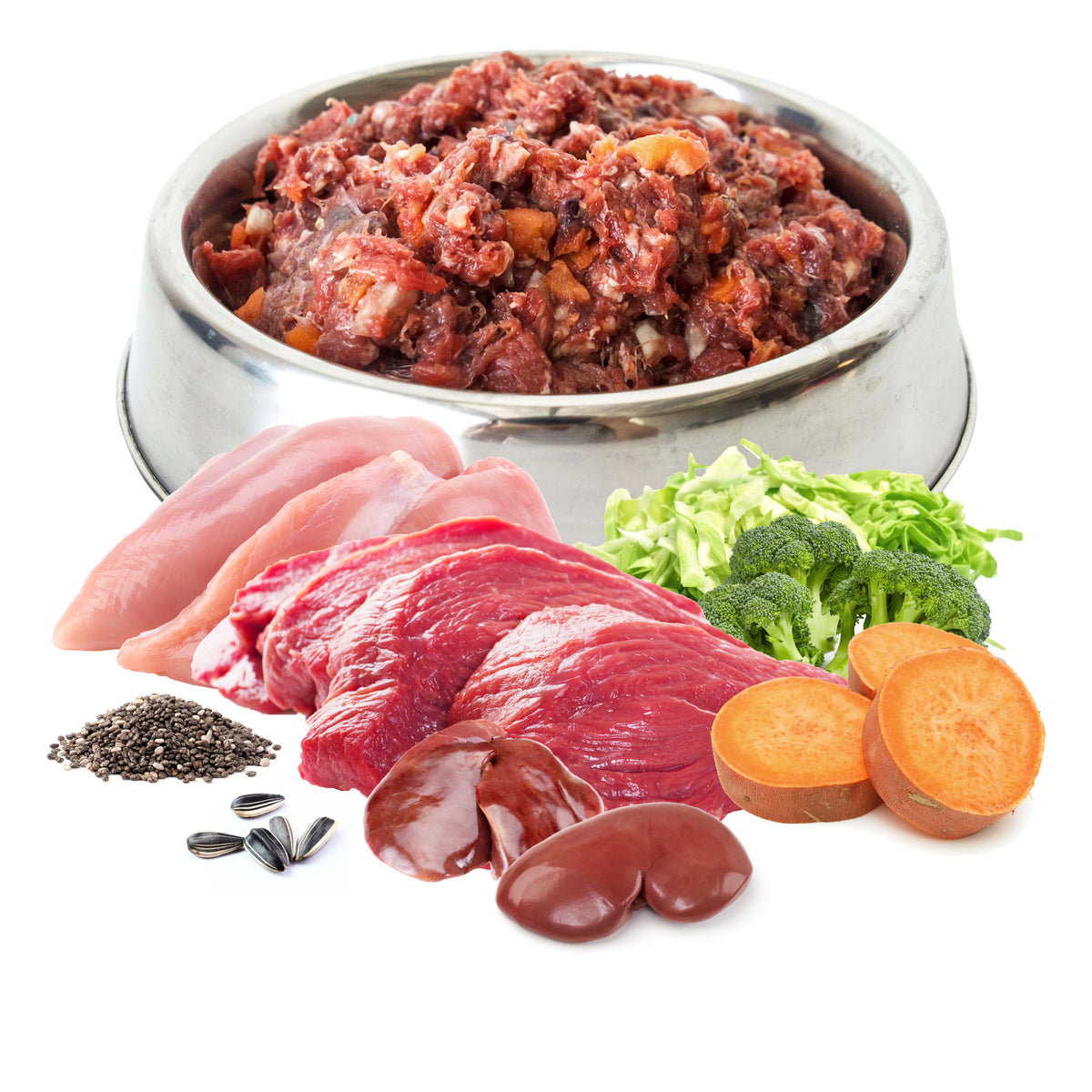
1Lamb MeatUnnamed meat sources▾
● Under research reviewProtein source without species identification. Terms like meat, meat meal, animal by-products, meat and bone meal, or meat and animal derivatives do not identify the animal species, which limits traceability and makes allergen avoidance difficult.Sources: AAFCO 2024 Official Publication · EU Regulation 767/2009
2Lamb LungNamed organ meats▾
● Beneficial (well-established)Organ meat from a named animal species, with both the species and the organ identified. Published nutrition references describe named organ meats (e.g. chicken liver, beef heart) as nutrient-dense, naturally rich in vitamins A and B12, iron, copper, and folate. Where the label names only the organ (e.g. "liver"), the animal species is not identified.Sources: NRC 2006 · Nutritional composition data
Show all 17 ingredients ▾
9Cauliflower▾
● Standard ingredientCauliflower is a cruciferous vegetable providing fibre, vitamin C, folate and glucosinolates, and it yields less sulforaphane than its close relative broccoli. Large amounts of cruciferous vegetables can cause gas or digestive upset in some animals.Sources: Nutritional composition data
10Cabbage▾
● Beneficial (emerging)A cruciferous vegetable containing sulforaphane and other antioxidant compounds. Some preliminary research has explored the antioxidant and anti-inflammatory properties of cruciferous vegetables in companion animals.Sources: Nutritional composition data · Cruciferous vegetable antioxidant research
11
ℹ️This is a raw or freeze-dried food product. Raw pet foods may carry bacteria such as Salmonella, Listeria, and E. coli, which can pose health risks to pets and to humans who handle the food. Hygienic handling practices (hand washing, surface disinfection, separate storage) are recommended.Source: FDA guidance on raw pet food; AVA position statement
Guaranteed analysis
as fed · compared to AAFCO dog growth & reproduction minimums
✓Labelled complete and balanced (no recognised standard cited)"This formula draws on our experience in raw feeding pet nutrition. Our complete recipe contains all of the essential vitamins and minerals your dog needs to live a happy, healthy and long life! Our Lamb Complete recipe is precisely formulated to exceed the strictest AAFCO standards." (brand statement)
Protein13.5%AAFCO min 22.5% DM
Fat5.9%AAFCO min 8.5% DM
Fibre1%no AAFCO reference
Moisture67.15%no AAFCO reference
1,188 kcal/kg≈ 497 kJ / 100g energy densityBrand states 497 kJ/100g
Values as declared by the manufacturer (as fed). AAFCO minimums are published on a dry-matter basis and converted using the declared moisture before comparison; the comparison is shown for context only. Consult your vet for diet decisions.
Brand transparency
Raw & Fresh · what the manufacturer discloses, not a rating
Recall historyon recordNo recalls of Raw & Fresh products found; the brand published a notice clarifying it was unaffected by the Gippsland knackery beef pet mince recall (searched Jul 2026).
AS5812 accreditationnot confirmed
PFIAA membershipnot confirmed
Quality certificationsconfirmedAS5812 (self-declared compliance, no third-party certification stated)
Parent companynot disclosed
A factual disclosure checklist from public records and the brand's own statements. Items we haven't verified show as not confirmed: a data gap, not a judgment. Are you Raw & Fresh? Claim your brand to confirm or correct this record, free.
Customer reviews
4.8
60 reviews · aggregated from retailer listings across multiple sources
What owners mention most: Customers praise the freshness and quality of the food, with many noting their dogs love it., based on review text aggregated from retailer listings.
Where to buy
confirm prices and explore sizes on the retailer's site
● Beneficial (well-established)Whole meat from a named animal species. Both the species and the form are identified, which supports traceability and allergy checking. Published nutrition references associate named whole meats with high protein quality.Sources: AAFCO 2024 · NRC 2006 · Amino acid bioavailability studies
4Lamb LiverNamed organ meats▾
● Beneficial (well-established)Organ meat from a named animal species, with both the species and the organ identified. Published nutrition references describe named organ meats (e.g. chicken liver, beef heart) as nutrient-dense, naturally rich in vitamins A and B12, iron, copper, and folate. Where the label names only the organ (e.g. "liver"), the animal species is not identified.Sources: NRC 2006 · Nutritional composition data
5SpinachSpinach / kale▾
● Beneficial (emerging)Nutrient-dense leafy greens rich in vitamins K, A, C, folate, and iron. Flag for pets with history of calcium oxalate bladder stones (high oxalate content).Sources: NRC 2006
6Lamb KidneysNamed single-species whole meat▾
● Beneficial (well-established)Whole meat from a named animal species. Both the species and the form are identified, which supports traceability and allergy checking. Published nutrition references associate named whole meats with high protein quality.Sources: AAFCO 2024 · NRC 2006 · Amino acid bioavailability studies
7Lamb SpleenNamed single-species whole meat▾
● Beneficial (well-established)Whole meat from a named animal species. Both the species and the form are identified, which supports traceability and allergy checking. Published nutrition references associate named whole meats with high protein quality.Sources: AAFCO 2024 · NRC 2006 · Amino acid bioavailability studies
8Sweet PotatoPotato / sweet potato▾
● Contextual noteDigestible carbohydrate sources. Not harmful in themselves. Often used in grain-free formulations.Sources: NRC 2006
Kale
Spinach / kale
▾
● Beneficial (emerging)Nutrient-dense leafy greens rich in vitamins K, A, C, folate, and iron. Flag for pets with history of calcium oxalate bladder stones (high oxalate content).Sources: NRC 2006Position on the ingredient list suggests a moderate to small inclusion level.
12Carrots▾
● Standard ingredientA root vegetable providing beta-carotene and fibre.Sources: Nutritional composition data
13Sunflower SeedsSeeds (generic/unspecified)▾
● Contextual noteA generic seed declaration. Where the label names the seeds in brackets, each is shown and classified below. Unnamed seeds limit traceability and allergen assessment.Sources: AAFCO ingredient definitions
14Broccoli▾
● Standard ingredientA cruciferous vegetable providing vitamins and fibre.Sources: Nutritional composition data
15Pumpkin SeedsPumpkin▾
● Beneficial (supported)A source of soluble fibre widely recommended by veterinarians for digestive support.Sources: NRC 2006 · Veterinary digestive health referencesPosition on the ingredient list suggests a moderate to small inclusion level.
16BasilBasil (sweet)▾
● Standard ingredientSweet basil (Ocimum basilicum) is an aromatic culinary herb used in small amounts for flavour; its leaves contain polyphenols such as rosmarinic acid and the aromatic compound eugenol. Poison-control sources advise keeping concentrated basil essential oil away from cats, though culinary leaf amounts are a separate matter.Sources: Nutritional composition data