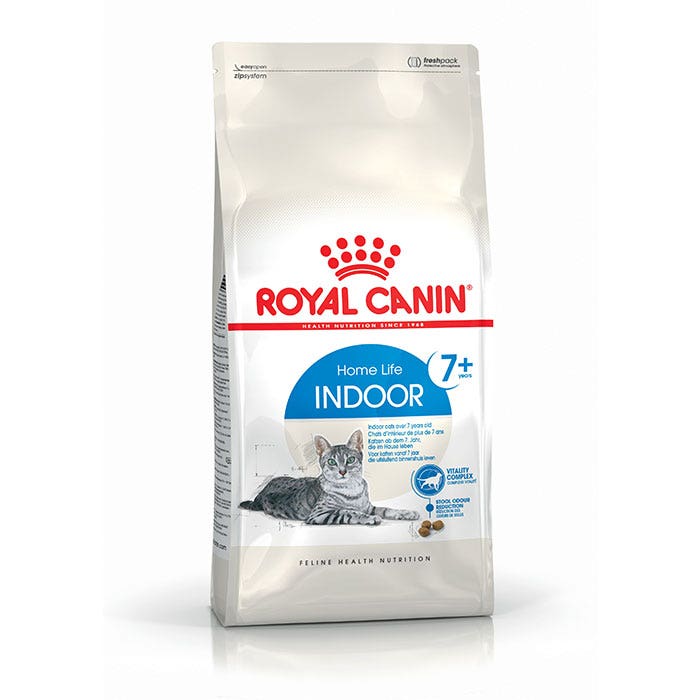
Pawdit presents manufacturer-declared facts and attributes every note to its published source. We do not rate, grade or rank products. This assessment is generated by an algorithmic methodology based on published sources. It is not a guarantee of product quality or safety. Always consult your veterinarian.
29 components (the label lists 27 ingredients) · tap any for its research notes
What do these mean? ▾
Beneficial. Linked to benefits in published research. Tiers show evidence strength.
Restricted or banned. Restricted or banned by a regulator in at least one country.
Under research review. Being studied or re-evaluated by researchers or regulators.
Contextual. Not flagged, but there is a note worth reading.
Standard. Everyday components like vitamins and minerals.
Not yet classified. Not in our dictionary yet. Always still listed.
Counts include what's inside compound entries like vitamin premixes, so they can add up to more than the label's ingredient count.
1dehydrated poultry meatPoultry (bird species not specified)▾
● Contextual noteA poultry ingredient where the bird species (chicken, turkey, duck, etc.) is not identified. Covers generic terms like poultry, poultry meal, poultry protein, and poultry by-products. Limits traceability compared to named species; treated as a possible chicken source for allergy checking.Sources: AAFCO ingredient definitions
2maize flourCorn / corn gluten meal▾
● Contextual noteA digestible carbohydrate and protein source for most dogs. Commonly characterised as filler in consumer discussions, but veterinary nutrition research supports its nutritional value.Sources: AAFCO 2024 · NRC 2006
● Under research reviewGeneric animal proteins or hydrolysed animal proteins without species identification. The source animal(s) cannot be confirmed, which limits traceability.Sources: AAFCO ingredient definitions · FDA CVM documentation
10vegetable fibres▾
● Contextual noteA generic term for plant-derived fibre sources. The specific source plant is not identified, limiting traceability.Sources: AAFCO ingredient definitions
11
Guaranteed analysis
as declared by the manufacturer
✓Labelled complete and balanced (no recognised standard cited)
Protein26%moisture not declared, no AAFCO comparison
Fat13%moisture not declared, no AAFCO comparison
Fibre3.4%no AAFCO reference
3,773 kcal/kg≈ 1,579 kJ / 100g energy densityBrand states 3,773 kcal/kg
Moisture is not declared on the label, so no dry-matter comparison against AAFCO minimums is shown.
Values as declared by the manufacturer (as fed). AAFCO minimums are published on a dry-matter basis and converted using the declared moisture before comparison; the comparison is shown for context only. Consult your vet for diet decisions.
Brand transparency
ROYAL CANIN · what the manufacturer discloses, not a rating
Part of Mars Petcare Australia · 14 brands on Pawdit
Recall historyon record2020: Voluntary quarantine of a prescription diet product in AU following consumer complaints. Resolved. 0 APOG consumer reports.
AS5812 accreditationAustralia's voluntary pet food manufacturing standardnot confirmed
PFIAA membershipPet Food Industry Association of Australiaconfirmed
Quality certificationsconfirmedBRC · ISO 22000
Parent companydisclosedMars Petcare Australia
A factual disclosure checklist from public records and the brand's own statements. Items we haven't verified show as not confirmed: a data gap, not a judgment. Are you ROYAL CANIN? Claim your brand to confirm or correct this record.
Customer reviews
4.8
206 reviews · aggregated from retailer listings across multiple sources
Where to buy
confirm prices and explore sizes on the retailer's site
● Contextual noteA whole grain carbohydrate and fibre source. Provides beta-glucans, a type of soluble fibre associated with gut health benefits.Sources: Veterinary nutrition references
4wheatWheat / wheat gluten▾
● Contextual noteA protein and carbohydrate source. Wheat gluten is a high-quality plant protein. Note: true gluten intolerance is uncommon in dogs compared to humans.Sources: AAFCO 2024 · NRC 2006
5vegetable protein isolate*Vegetable protein isolate▾
● Contextual noteA concentrated plant-based protein source. When the source plant is not specified, traceability is limited and allergen identification is difficult for sensitive pets.Sources: Nutritional composition data · AAFCO ingredient definitions
6maizeCorn / corn gluten meal▾
● Contextual noteA digestible carbohydrate and protein source for most dogs. Commonly characterised as filler in consumer discussions, but veterinary nutrition research supports its nutritional value.Sources: AAFCO 2024 · NRC 2006
7animal fatsUnnamed animal fats▾
● Under research reviewGeneric animal fats without species identification. The source animal(s) cannot be confirmed, which limits traceability and is relevant for pets with food sensitivities or allergies.Sources: AAFCO ingredient definitions · FDA CVM documentation
8maize glutenCorn / corn gluten meal▾
● Contextual noteA digestible carbohydrate and protein source for most dogs. Commonly characterised as filler in consumer discussions, but veterinary nutrition research supports its nutritional value.Sources: AAFCO 2024 · NRC 2006
beet pulp
▾
● Beneficial (supported)A well-studied moderately fermentable fibre source associated with stool quality benefits in dogs.Sources: NRC 2006 · Fahey et al. 1990Position on the ingredient list suggests a moderate to small inclusion level.
12mineralsMinerals (generic)▾
● Standard ingredientA generic term for a mineral premix. Where the label lists the specific mineral compounds in brackets, each is shown and classified below; otherwise the individual minerals are not disclosed. European-style labels declare added trace minerals as numbered additives with doses (e.g. "E4 (copper): 10 mg").Sources: AAFCO ingredient definitions
13vegetable oils (soya and borage)2 components▾
● Contextual noteOil from plant sources. Where the label names the plants in brackets, each is shown and classified below; 'and/or' wording means the blend can vary between batches. Unnamed sources limit traceability; named oils (e.g. sunflower oil, canola oil) provide more transparency.Sources: AAFCO ingredient definitions
The label breaks this entry into components, each classified on its own:
14fish oilEPA + DHA (marine-source omega-3)▾
● Beneficial (well-established)Marine-source omega-3 fatty acids associated with anti-inflammatory, skin/coat health, joint support, cognitive function, and cardiac and renal support in multiple peer-reviewed studies.Sources: Bauer 2011 JAVMA · NRC 2006 · Multiple RCTs in dogs for skin/joint conditionsPosition on the ingredient list suggests a moderate to small inclusion level.
15egg powderWhole eggs / dried egg product▾
● Beneficial (well-established)Egg protein has the highest biological value of any common protein source, providing a complete amino acid profile.Sources: NRC 2006 · Protein biological value studiesPosition on the ingredient list suggests a moderate to small inclusion level.
● Beneficial (supported)A prebiotic fibre associated with gut microbiome support in published studies. Promotes beneficial bacteria growth.Sources: Swanson et al. 2002Position on the ingredient list suggests a small inclusion level.
17sodium phosphatePhosphate salts (misc.)▾
● Standard ingredientPhosphate salts used as mineral nutrient sources and processing aids (texture, palatant carriers), and phosphoric acid as an acidifier. Distinct from the condensed phosphates under research review (sodium tripolyphosphate, sodium hexametaphosphate), which are classified separately.Sources: AAFCO ingredient definitions · EU Regulation 767/2009
18psyllium husksPsyllium husk▾
● Beneficial (emerging)A soluble fibre source used by veterinarians for digestive support. Evidence in dogs and cats comes mostly from clinical practice and small studies.Sources: NRC 2006Position on the ingredient list suggests a small inclusion level.
19seedsSeeds (generic/unspecified)▾
● Contextual noteA generic seed declaration. Where the label names the seeds in brackets, each is shown and classified below. Unnamed seeds limit traceability and allergen assessment.Sources: AAFCO ingredient definitions
20yeastsYeasts / yeast products (generic)▾
● Contextual noteA generic term for whole inactivated yeast or unspecified yeast-derived products (usually Saccharomyces cerevisiae). Can supply protein, B vitamins, and cell-wall fractions (MOS, beta-glucans), but the specific form and processing are not disclosed. Sources: AAFCO ingredient definitions · Nutritional composition data
21L-lysine▾
● Standard ingredientAn essential amino acid added as a standard supplement.
22DL-methionine▾
● Contextual noteAn essential amino acid commonly added to pet food. Also functions as a urinary acidifier (lowers urine pH). Veterinary sources note it should be used with caution in pets with kidney disease, pancreatic disease, or liver insufficiency. Not recommended for kittens.Sources: VCA Animal Hospitals · PetMD veterinary reference · NRC 2006
23green teaTea extract▾
● Beneficial (emerging)An extract from tea leaves (typically green tea) providing polyphenols and catechins (particularly EGCG) with well-documented antioxidant properties. Some studies have explored benefits for oral health and antioxidant status in dogs.Sources: Green tea catechin antioxidant studies · Veterinary oral health researchPosition on the ingredient list suggests a small inclusion level.
24grape extracts (source of polyphenols)Grape extract (source of polyphenols)▾
● Under research reviewA polyphenol-rich extract (proanthocyanidins/OPCs) usually derived from grape seed or pomace. Important distinction: whole grapes and raisins are associated with acute kidney injury in dogs (Merck Veterinary Manual), with tartaric acid identified as the likely causal agent (dogs poorly excrete it). Processed grape seed/pomace extracts have tartaric acid largely removed, and industry guidance treats only the whole grape or raisin as the hazard; a 24-week canine study of a grape-and-blueberry polyphenol extract found no renal or hepatic toxicity. Safety depends on the extract being tartaric-acid-free. Any whole-grape or raisin material should still be flagged, for cats as well as dogs.Sources: Merck Veterinary Manual grape/raisin toxicosis · Wegenast et al. 2021/2022 (tartaric acid) · FEDIAF position 2013 · Neurophenols Consortium 24-week canine safety study (PMC4973095)
25taurineTaurine (supplemental)▾
● Beneficial (well-established)Taurine is an essential amino acid for cats. Deficiency can cause serious health consequences including dilated cardiomyopathy, central retinal degeneration, and reproductive failure.Sources: Pion et al. 1987 · NRC 2006 · Freeman et al. 2018Position on the ingredient list suggests a small inclusion level.
26potassium citrate▾
● Standard ingredientA potassium supplement and urinary alkaliser. Used in some therapeutic urinary diets to help prevent calcium oxalate stone formation.Sources: Veterinary pharmacology references
27hydrolysed crustaceans (source of glucosamine)Glucosamine HCL▾
● Contextual noteIncluded in many formulas for joint support. Early studies in dogs suggested cartilage support; a 2022 meta-analysis and a 2024 review found no clinical benefit for osteoarthritis pain. Quality and formulation vary across products.Sources: McCarthy et al. 2007 · Moreau et al. 2003 · Barbeau-Gregoire et al. 2022 · Pye et al. 2024
28L-carnitine▾
● Beneficial (emerging)L-carnitine is associated with fat metabolism support in some studies, particularly in weight management contexts.Sources: Gross et al. 2000Position on the ingredient list suggests a small inclusion level.
29hydrolysed cartilage (source of chondroitin)Chondroitin sulfate▾
● Contextual noteIncluded in many formulas for joint support, often combined with glucosamine; a 2022 meta-analysis and a 2024 review found no clinical benefit for osteoarthritis pain.Sources: McCarthy et al. 2007 · Barbeau-Gregoire et al. 2022 · Pye et al. 2024