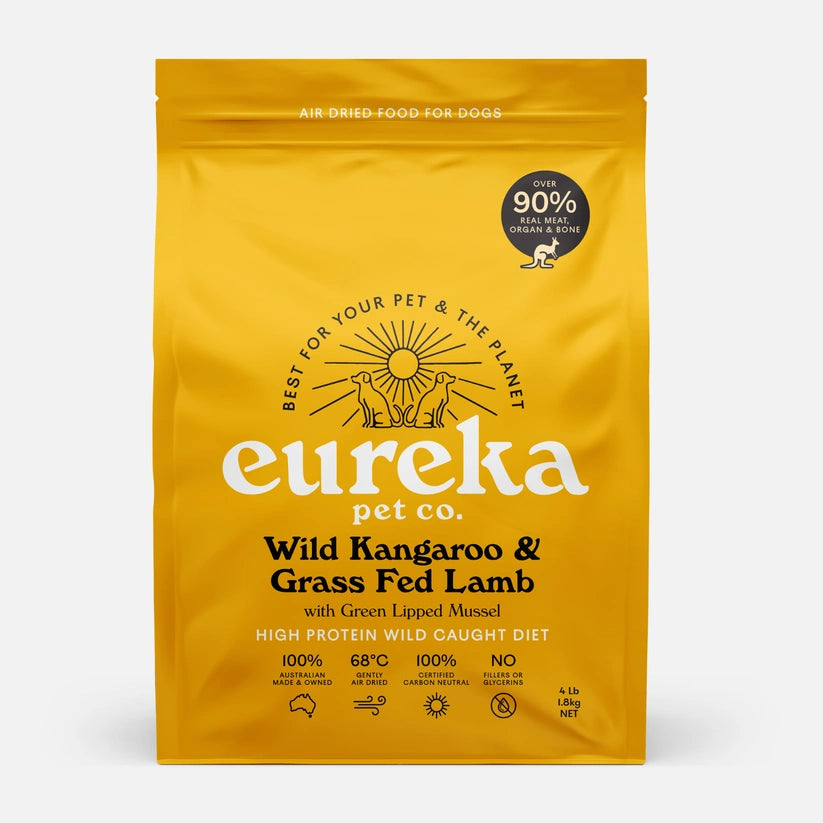
Pawdit presents manufacturer-declared facts and attributes every note to its published source. We do not rate, grade or rank products. This assessment is generated by an algorithmic methodology based on published sources. It is not a guarantee of product quality or safety. Always consult your veterinarian.
● Beneficial (well-established)Whole meat from a named animal species. Both the species and the form are identified, which supports traceability and allergy checking. Published nutrition references associate named whole meats with high protein quality.Sources: AAFCO 2024 · NRC 2006 · Amino acid bioavailability studies
● Beneficial (well-established)Whole meat from a named animal species. Both the species and the form are identified, which supports traceability and allergy checking. Published nutrition references associate named whole meats with high protein quality.Sources: AAFCO 2024 · NRC 2006 · Amino acid bioavailability studies
3BoneGround bone▾
● Standard ingredientGround or crushed bone, used in some raw diets as a source of calcium and phosphorus.Sources: Nutritional composition data
● Beneficial (well-established)Whole meat from a named animal species. Both the species and the form are identified, which supports traceability and allergy checking. Published nutrition references associate named whole meats with high protein quality.Sources: AAFCO 2024 · NRC 2006 · Amino acid bioavailability studies
● Beneficial (well-established)Whole meat from a named animal species. Both the species and the form are identified, which supports traceability and allergy checking. Published nutrition references associate named whole meats with high protein quality.Sources: AAFCO 2024 · NRC 2006 · Amino acid bioavailability studies
7Apple FibreApple▾
● Standard ingredientA whole fruit providing fibre and vitamins.Sources: Nutritional composition data
8Salmon OilEPA + DHA (marine-source omega-3)▾
● Beneficial (well-established)Marine-source omega-3 fatty acids associated with anti-inflammatory, skin/coat health, joint support, cognitive function, and cardiac and renal support in multiple peer-reviewed studies.Sources: Bauer 2011 JAVMA · NRC 2006 · Multiple RCTs in dogs for skin/joint conditions
Show all 22 components ▾
9Broccoli▾
● Standard ingredientA cruciferous vegetable providing vitamins and fibre.Sources: Nutritional composition data
10Free Range EggsWhole eggs / dried egg product▾
● Beneficial (well-established)Egg protein has the highest biological value of any common protein source, providing a complete amino acid profile.Sources: NRC 2006 · Protein biological value studies
11Chia Seed▾
Guaranteed analysis
as fed · compared to AAFCO dog growth & reproduction minimums
AAFCO, the Association of American Feed Control Officials, publishes minimum nutrient levels for complete dog and cat foods. Each bar below compares this product's declared analysis to the AAFCO dog growth & reproduction minimum, marked by the vertical tick.
✓Formulated to meet AAFCO nutrient profiles (All Life Stages)"Formulated to be complete and balanced to AAFCO standards." (brand statement)
Protein37%AAFCO min 22.5% DM
Fat28%AAFCO min 8.5% DM
Fibre2%no AAFCO reference
Moisture14%no AAFCO reference
5,489 kcal/kg≈ 2,297 kJ / 100g energy densityBrand states 548.9 kcal/100g
Also declared on the label
Ash9%guaranteed max
This product is labelled for all life stages. AAFCO requires an all-life-stages food to meet the growth profile, the stricter of its two profiles, so figures here are compared against AAFCO dog growth & reproduction minimums.
Values as declared by the manufacturer (as fed). AAFCO minimums are published on a dry-matter basis and converted using the declared moisture before comparison; the comparison is shown for context only. Consult your vet for diet decisions.
Brand transparency
Eureka Pet Co · what the manufacturer discloses, not a rating
Recall historyon recordNo recalls found (searched Jul 2026).
AS5812 accreditationAustralia's voluntary pet food manufacturing standardnot confirmed
PFIAA membershipPet Food Industry Association of Australianot confirmed
Quality certificationsnone listed
Parent companynot disclosed
A factual disclosure checklist from public records and the brand's own statements. Items we haven't verified show as not confirmed: a data gap, not a judgment. Are you Eureka Pet Co? Claim your brand to confirm or correct this record.
Where to buy
confirm prices and explore sizes on the retailer's site
● Beneficial (emerging)A plant-based source of omega-3 (ALA), soluble fibre, and protein. Rich in calcium, magnesium, and phosphorus. Some studies have explored benefits for skin/coat health and digestive support in dogs. Like flaxseed, ALA conversion to EPA/DHA is limited in dogs and negligible in cats.Sources: Journal of Animal Physiology and Animal Nutrition 2022 · Nutritional composition dataPosition on the ingredient list suggests a moderate to small inclusion level.
● Beneficial (supported)Contains a unique omega-3 fatty acid (ETA) and has been associated with anti-inflammatory and joint support benefits in some studies in dogs.Sources: Servet et al. 2006 · Bierer & Bui 2002Position on the ingredient list suggests a moderate to small inclusion level.
13Blueberries▾
● Beneficial (emerging)A whole-food source of anthocyanins, associated with antioxidant properties in published research.Sources: Prior et al. 2008Position on the ingredient list suggests a moderate to small inclusion level.
14Organic KelpKelp / seaweed meal▾
● Beneficial (supported)A natural source of iodine and trace minerals. Some studies have explored dental health benefits. Note: excessive iodine from kelp could affect thyroid function in cats with hyperthyroidism.Sources: NRC 2006Position on the ingredient list suggests a moderate to small inclusion level.
15Sea SaltSalt▾
● Contextual noteAn essential mineral present in all pet food. Flag only when appearing high on the ingredient list.Sources: NRC 2006
16FlaxseedFlaxseed / flaxseed oil▾
● Beneficial (supported)A plant-based source of omega-3 (ALA), fibre, and lignans. Note: dogs have limited ability to convert plant ALA to the more bioactive EPA/DHA found in marine sources.Sources: Bauer 2011Position on the ingredient list suggests a small inclusion level.
17Vitamins & MineralsMinerals (generic)▾
● Standard ingredientA generic term for a mineral premix. Where the label lists the specific mineral compounds in brackets, each is shown and classified below; otherwise the individual minerals are not disclosed. European-style labels declare added trace minerals as numbered additives with doses (e.g. "E4 (copper): 10 mg").Sources: AAFCO ingredient definitions
18Chicory Root (Inulin)1 components▾
● Beneficial (supported)A prebiotic fibre associated with gut microbiome support in published studies. Promotes beneficial bacteria growth.Sources: Swanson et al. 2002Position on the ingredient list suggests a small inclusion level.
The label breaks this entry into components, each classified on its own:
19Citric Acid▾
● Standard ingredientA naturally occurring organic acid used as a preservative and antioxidant.Sources: AAFCO ingredient definitions
20Rosemary ExtractRosemary / rosemary extract▾
● Contextual noteGenerally regarded as a positive natural preservative alternative to synthetic options. No published study links food-grade rosemary extract to seizures in dogs; the reported concern involves concentrated rosemary essential oil, a different preparation.Sources: Goncalves et al. 2019 · Essential oils and seizure systematic review 2019
21Postbiotic
22Lecithin▾
● Standard ingredientA phospholipid mixture used as a natural emulsifier (E322) to blend fats and water and improve texture; also a source of choline and phosphatidylcholine. Commonly sourced from soy or sunflower. Soy-derived lecithin is relevant for pets with soy sensitivity; sunflower lecithin is a common soy-free alternative. Permitted for food use by the US FDA (GRAS). Marketed benefits for skin, coat, and cognition are largely emerging.Sources: FDA GRAS status · AAFCO ingredient definitions · Nutritional composition data