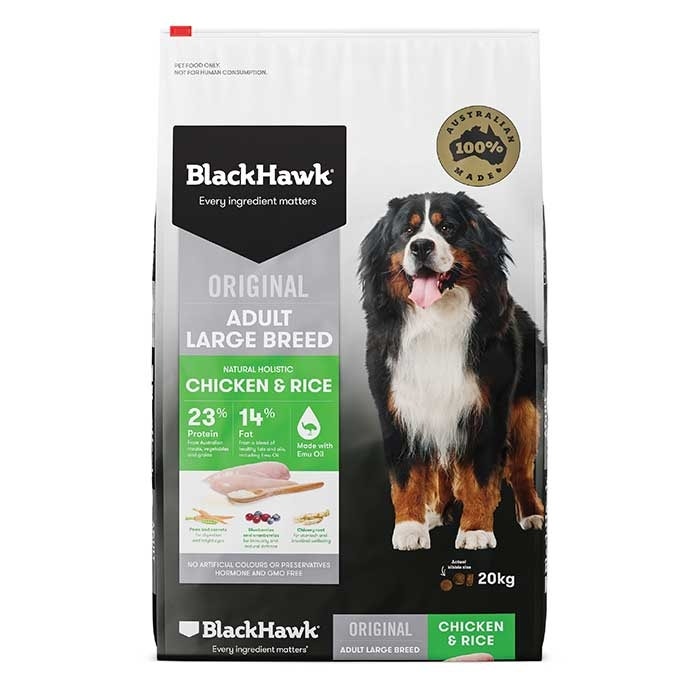
Pawdit presents manufacturer-declared facts and attributes every note to its published source. We do not rate, grade or rank products. This assessment is generated by an algorithmic methodology based on published sources. It is not a guarantee of product quality or safety. Always consult your veterinarian.
2 sources, cross-checked · prices re-checked 12 days ago
Ingredients
24 listed by weight, heaviest first · tap any ingredient for its research notes
11 beneficial7 contextual8 standard ingredientsWhat do these mean? ▾
Beneficial. Linked to benefits in published research. Tiers show evidence strength.
Restricted or banned. Restricted or banned by a regulator in at least one country.
Under research review. Being studied or re-evaluated by researchers or regulators.
Contextual. Not flagged, but there is a note worth reading.
Standard. Everyday components like vitamins and minerals.
Not yet classified. Not in our dictionary yet. Always still listed.
Counts include what's inside compound entries like vitamin premixes, so they can add up to more than the label's ingredient count.
1Chicken MealNamed species meat meal▾
● Beneficial (well-established)Rendered meal from a named animal species: a concentrated protein source with water and fat removed. The species is identified, which supports traceability and allergy checking.Sources: AAFCO ingredient definitions · Veterinary nutrition references
2Ground RiceRice / brewer's rice▾
● Contextual noteA highly digestible carbohydrate. Brewer's rice is a milling by-product but still provides nutritional value.Sources: NRC 2006
3Oats▾
Show all 24 ingredients ▾
9KelpKelp / seaweed meal▾
● Beneficial (supported)A natural source of iodine and trace minerals. Some studies have explored dental health benefits. Note: excessive iodine from kelp could affect thyroid function in cats with hyperthyroidism.Sources: NRC 2006
10Salt▾
● Contextual noteAn essential mineral present in all pet food. Flag only when appearing high on the ingredient list.Sources: NRC 2006
11GlucosamineGlucosamine HCL
Guaranteed analysis
as fed · compared to AAFCO adult dog maintenance minimums
✓Formulated to meet AAFCO nutrient profiles (Adult)"Black Hawk pet food is formulated to meet the nutritional levels established by the Association of American Feed Control Officials (AAFCO) Dog Food Nutrient Profile for the maintenance of adult dogs." (brand statement)
Protein23%AAFCO min 18% DM
Fat14%AAFCO min 5.5% DM
Fibre4.5%no AAFCO reference
Moisture10%no AAFCO reference
3,690 kcal/kg≈ 1,544 kJ / 100g energy densityBrand states 3,690 kcal/kg
Values as declared by the manufacturer (as fed). AAFCO minimums are published on a dry-matter basis and converted using the declared moisture before comparison; the comparison is shown for context only. Consult your vet for diet decisions.
Brand transparency
Black Hawk · what the manufacturer discloses, not a rating
Recall historyon record2019: Voluntary recall of Grain Free Salmon dog food due to contaminated salmon causing GI issues. 6 APOG consumer reports.
AS5812 accreditationnot confirmed
PFIAA membershipconfirmed
Quality certificationsconfirmedHACCP
Parent companydisclosedEBOS Group (Masterpet)
A factual disclosure checklist from public records and the brand's own statements. Items we haven't verified show as not confirmed: a data gap, not a judgment. Are you Black Hawk? Claim your brand to confirm or correct this record, free.
Customer reviews
4.8
260 reviews · aggregated from retailer listings across multiple sources
Where to buy
confirm prices and explore sizes on the retailer's site
● Contextual noteA whole grain carbohydrate source rich in soluble fibre (beta-glucans). Generally well-tolerated and considered a high-quality grain for pets.Sources: Veterinary nutrition references
4Fish MealNamed species meat meal▾
● Beneficial (well-established)Rendered meal from a named animal species: a concentrated protein source with water and fat removed. The species is identified, which supports traceability and allergy checking.Sources: AAFCO ingredient definitions · Veterinary nutrition references
5Chicken Fat (preserved with Mixed Tocopherols [source of Vitamin E], Citric Acid, Rosemary Extract)3 components▾
● Standard ingredientA named animal fat source providing energy and essential fatty acids.Sources: AAFCO ingredient definitions
The label lists this premix's contents, each piece classified on its own:
6Field PeasPeas / lentils / chickpeas▾
● Contextual noteWhole legumes provide protein, fibre, and micronutrients. The FDA investigated (2018-2022) a potential association with dilated cardiomyopathy (DCM) in dogs when legumes are used as a primary ingredient, did not establish a causal link, and has paused public updates pending new science.Sources: FDA DCM Investigation 2018-2022 · Freeman et al. 2018 JAVMA
7Beet pulp▾
● Beneficial (supported)A well-studied moderately fermentable fibre source associated with stool quality benefits in dogs.Sources: NRC 2006 · Fahey et al. 1990
8Canola Oil▾
● Contextual noteA refined vegetable oil used as a fat source in pet food. Modern canola contains very low erucic acid (<2%) and provides omega-6 and some omega-3 (ALA) fatty acids. The refining process (bleaching, deodorising) removes some naturally occurring compounds. FDA considers it generally recognised as safe.Sources: FDA GRAS status · Nutritional composition data
▾
● Beneficial (supported)Some peer-reviewed studies in dogs have associated glucosamine with joint cartilage support. Quality and formulation vary across products.Sources: McCarthy et al. 2007 · Moreau et al. 2003Position on the ingredient list suggests a small inclusion level.
12ChondroitinChondroitin sulfate▾
● Beneficial (supported)Often studied in combination with glucosamine. Some studies report benefits for joint mobility in dogs.Sources: McCarthy et al. 2007Position on the ingredient list suggests a small inclusion level.
● Standard ingredientA generic term for a mineral premix. Where the label lists the specific mineral compounds in brackets, each is shown and classified below; otherwise the individual minerals are not disclosed. European-style labels declare added trace minerals as numbered additives with doses (e.g. "E4 (copper): 10 mg").Sources: AAFCO ingredient definitions
● Standard ingredientNatural preservation agents such as tocopherols or rosemary extract. Where the label names the agents in brackets, each is shown and classified below; 'including' wording means others may be present without being listed.Sources: AAFCO ingredient definitions
16Emu Oil▾
● Beneficial (emerging)An Australian-sourced oil containing a mix of omega-6 and omega-9 fatty acids. Some preliminary research has explored anti-inflammatory and skin health properties.Sources: Australian ingredient research · Nutritional composition dataPosition on the ingredient list suggests a small inclusion level.
17Yucca Schidigera Extract▾
● Beneficial (supported)Associated with faecal odour reduction in published studies. Some research has explored anti-inflammatory properties.Sources: Lowe & Kershaw 1997Position on the ingredient list suggests a small inclusion level.
18Tomato PowderTomatoes▾
● Standard ingredientA fruit providing lycopene and vitamins.Sources: Nutritional composition data
19Carrots▾
● Standard ingredientA root vegetable providing beta-carotene and fibre.Sources: Nutritional composition data
20Dried BlueberriesBlueberries▾
● Beneficial (emerging)A whole-food source of anthocyanins, associated with antioxidant properties in published research.Sources: Prior et al. 2008Position on the ingredient list suggests a small inclusion level.
21Dandelion▾
● Standard ingredientA herb sometimes included in pet food formulations.Sources: Herbal references
22Peppermint▾
● Standard ingredientA herb sometimes included for flavour or as a breath freshener.Sources: Nutritional composition data
23RosemaryRosemary / rosemary extract▾
● Contextual noteGenerally regarded as a positive natural preservative alternative to synthetic options. Some veterinary sources suggest rosemary may lower seizure thresholds in dogs with epilepsy.Sources: Goncalves et al. 2019
24CranberriesCranberry / cranberry extract▾
● Beneficial (supported)Contains proanthocyanidins, which some studies have associated with urinary tract health, particularly in cats.Sources: Howell 2007Position on the ingredient list suggests a small inclusion level.